What Types of Wood Are Best for Cutting Boards & Why?
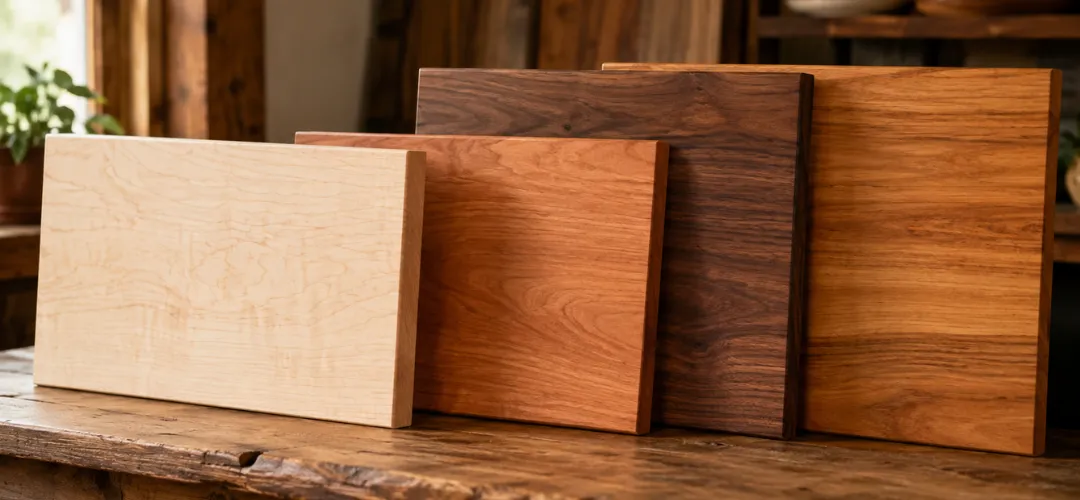
The best types of wood for cutting boards are tight-grained hardwoods such as maple, walnut, and cherry because they are durable, knife-friendly, attractive, and less likely to absorb moisture than softer or more porous woods. A good cutting board wood should be hard enough to handle daily chopping, but not so hard that it quickly dulls your knives. It should also have a closed or tight grain, which helps create a smoother, more reliable surface for food preparation.
Why Hardwood Matters
Cutting boards take a lot of daily abuse. They are exposed to knives, moisture, food juices, cleaning, drying, and repeated use. Softwoods are usually not the best choice because they can dent, scratch, and wear down too easily. Hardwoods are better because they are stronger, denser, and more durable.
But harder is not always better. Some woods are so hard or abrasive that they can be rough on knife edges. The best cutting board woods strike a balance. They are strong enough to last, but gentle enough for everyday chopping, slicing, and food preparation.
Maple: A Classic Cutting Board Choice
Maple is one of the most popular woods for cutting boards because it is strong, light in color, and has a tight grain. Hard maple is especially common in butcher blocks and kitchen boards because it handles regular use well.
Maple’s lighter color also makes it a beautiful choice for kitchens because it looks clean, bright, and classic. It can show knife marks over time, but with proper care, a maple cutting board can last for years. For someone who wants a dependable everyday board, maple is one of the best options.
Walnut: Rich Color and Everyday Function
Walnut is another excellent cutting board wood. It is known for its deep brown color, beautiful grain, and elegant appearance. Walnut is slightly softer than hard maple, which can make it especially friendly to knife edges.
A walnut cutting board is a great choice for people who want a board that works well in the kitchen but also looks beautiful enough to leave out on the counter or use for serving. Its darker color gives it a warm, upscale look, especially when paired with cheeses, breads, fruit, meats, and wine.
Cherry: Warm, Smooth, and Beautiful
Cherry is valued for its warm reddish-brown tone and smooth grain. It is a little softer than maple, which makes it pleasant to cut on, while still being durable enough for kitchen use.
One of the nice things about cherry is that it tends to deepen in color over time. This gives the board character as it ages. For someone who wants a cutting board that feels handcrafted, warm, and timeless, cherry is a beautiful choice.
What About Oak?
Oak can be beautiful, strong, and full of character, but not all oak is ideal for heavy cutting board use. Some types of oak have a more open grain, which can make them less desirable for frequent chopping compared with tighter-grained woods like maple, walnut, and cherry. That does not mean all oak has no place in food and wine accessories. White oak can be excellent for cutting boards, while the straight, open grain of red oak means it should be reserved for serving boards, charcuterie boards, wine-themed pieces, and decorative food presentation when properly finished. The key is choosing the right wood for the right purpose.
Face Grain, Edge Grain and End Grain Boards
The type of wood matters, but so does the orientation of the wood in a cutting board. Face grain cutting boards combine multiple strips of hardwood species in different widths. Since the most common thickness of boards is three-quarter inches, that is the thickness of face grain cutting boards, which makes them lighter, while providing an ideal surface for light duty cutting. Edge grain boards can be thicker and therefore more durable, since they are made with the edge side of the wood grain facing up. Like face grain boards, edge grain boards will always have a striped pattern. Both of these styles are attractive, but due to the thickness of edge grain boards, they will last longer. End grain boards are oriented to make the ends of the wood fibers the cutting surface. Butchers have used end grain chopping blocks for thousands of years. Cutting in the same direction as the wood fibers rather than across the fibers makes end grain boards more durable and gentler on knives. They can also be created in a multitude of beautiful designs, making them an artistic focal point for the kitchen. End grain boards require more craftsmanship, but they are the ultimate choice for serious home cooks.
Why Proper Care Matters
Even the best wood cutting board needs proper care. Wood boards should usually be washed by hand, dried well, and never left soaking in water. Regular oiling with food-safe mineral oil or board conditioner helps prevent drying, cracking, and warping.
A quality cutting board is not just a kitchen tool. With the right care, it can become a long-lasting part of the home.
How Wine Country Woodcraft Can Help
Wine Country Woodcraft creates handcrafted wood boards and wine and food accessories that bring beauty and function together. Mike Campbell, a sommelier turned woodworker, understands that the right wood can elevate both food preparation and presentation. From custom cutting boards and charcuterie boards to wine racks, portable wine tables, coasters, party plates, and handcrafted entertaining pieces, Wine Country Woodcraft helps people enjoy food, wine, and gathering with pieces that are made with care and built to be used.
Wine Country Woodcraft
877-799-5096
www.winecountrywoodcraft.com
